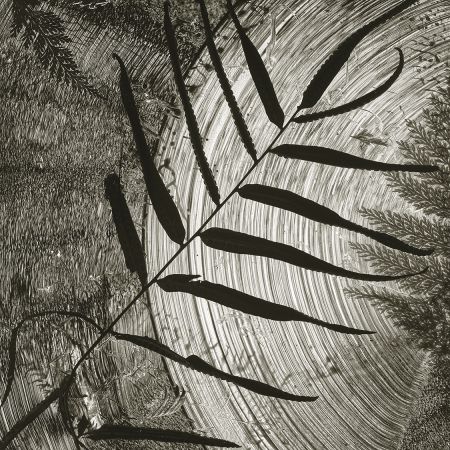
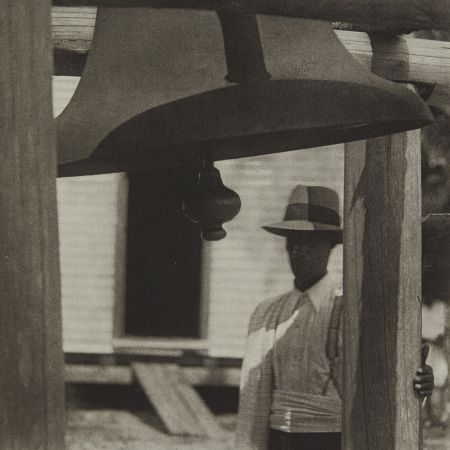
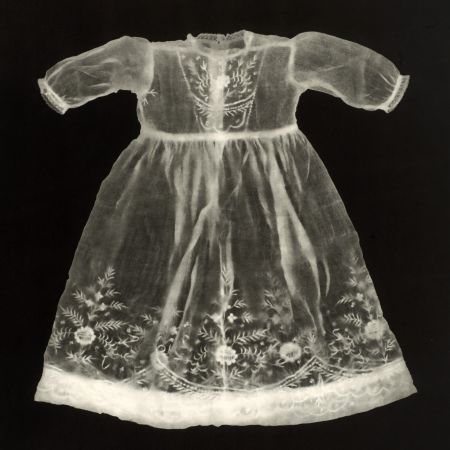
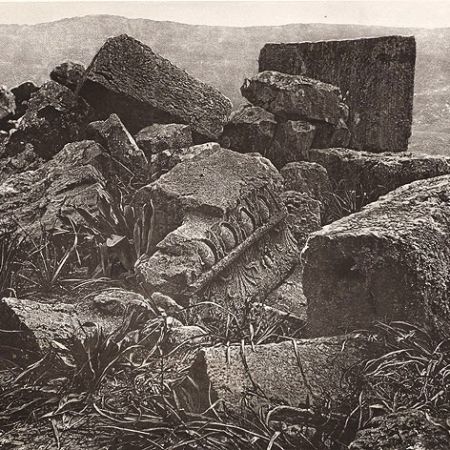
While Camera Notes set the standard for photographic magazines in the United States, Stieglitz raised the bar even farther with the subsequent journal Camera Work. In 1903 he left the Camera Club of New York, established his own group of photographers (the Photo-Secession), and commenced Camera Work, over which he had total control as both editor and publisher. Issued quarterly until the outbreak of World War I, this periodical definitively proved that photography was, indeed, as potent a form of art as painting and sculpture.
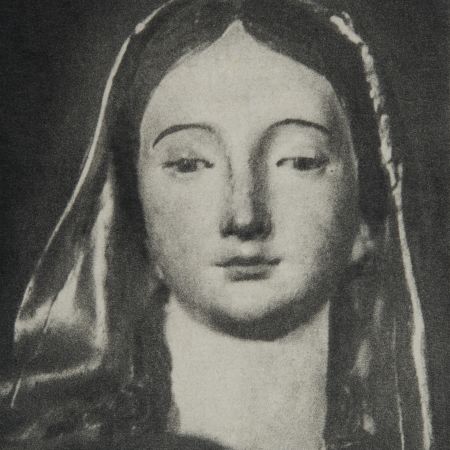
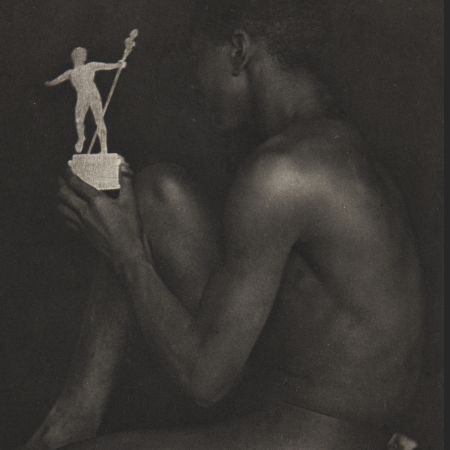
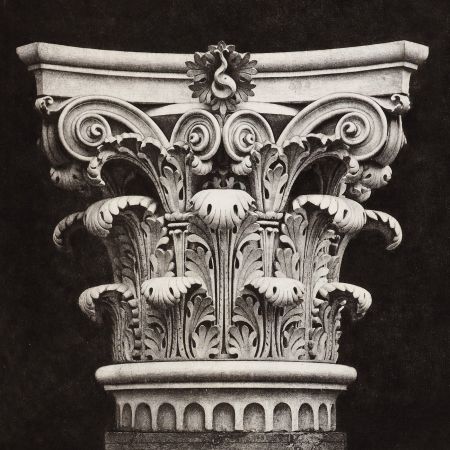
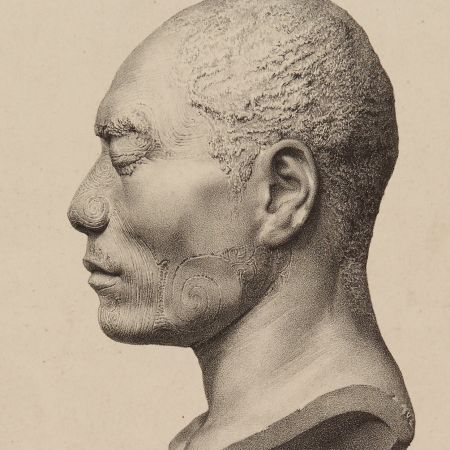
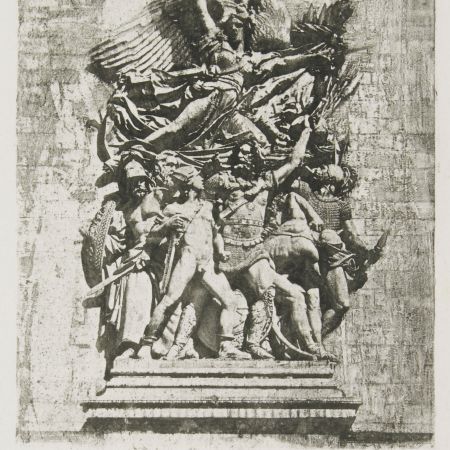
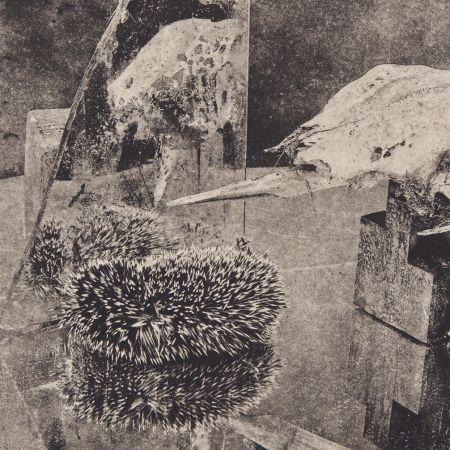
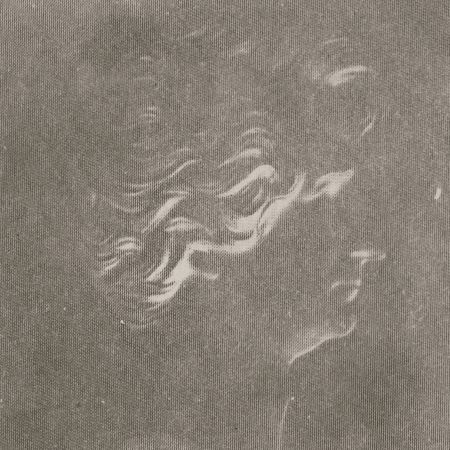
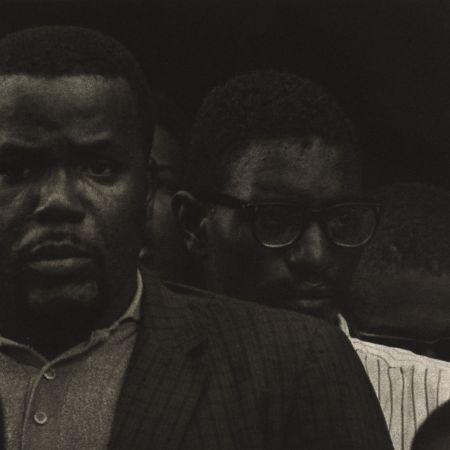
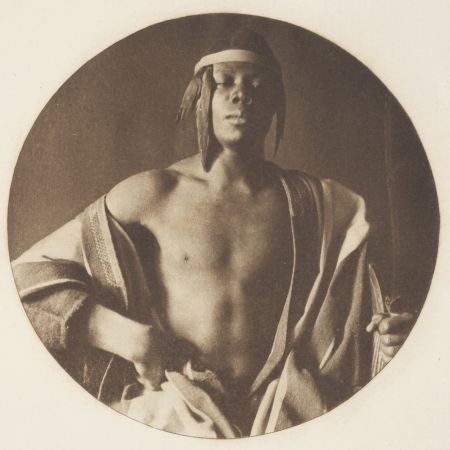
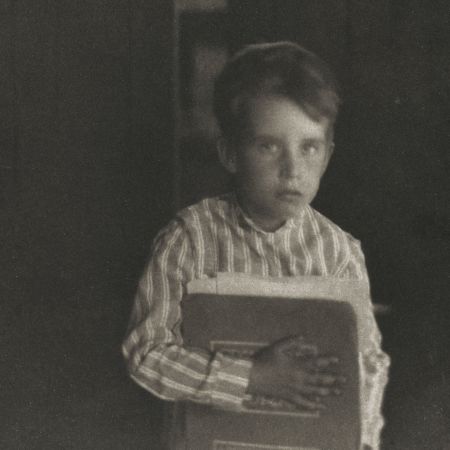
Stieglitz achieved this largely through the photogravure plates that graced the 50 issues of Camera Work. He often asked photographers to supply original negatives for plate making and to approve proofs, and he demanded the highest quality from his printers. The gravures usually were printed on delicate Japanese tissue, mounted on textured papers, and individually tipped into the magazines. In each issue, the illustrations were segregated from the magazine's text, creating discrete portfolios of images for quiet contemplation. Stieglitz believed the gravures were equivalents of original photographs, on equal standing with the photographers' platinum or gum-bichromate prints. Prominent pictorialists such as Gertrude Kaesebier, Edward Steichen and Stieglitz himself were well represented in the pages of Camera Work. In 1917, Stieglitz published the last issue, featuring realistic and abstract images by Paul Strand that signaled the dawning of photographic modernism. Today, Camera Work is probably the single best-known example of gravure printing.
View in Collection