Title
Louvre detailArtist
Baldus, Edouard (French, 1813-1889)Publication
Palais du Louvre et des TuileriesDate
1856 caProcess
Salt PrintAtelier
Baldus, EdouardImage Size
28 x 22 cm
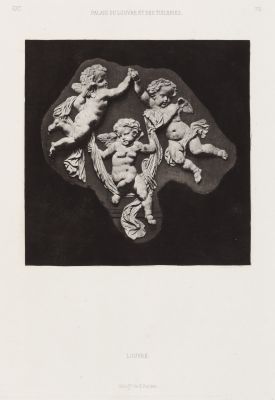
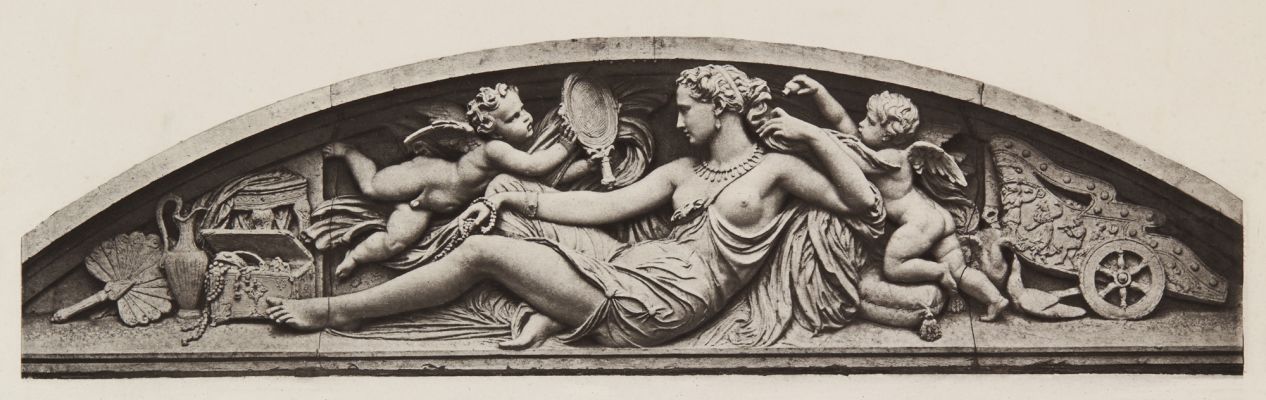
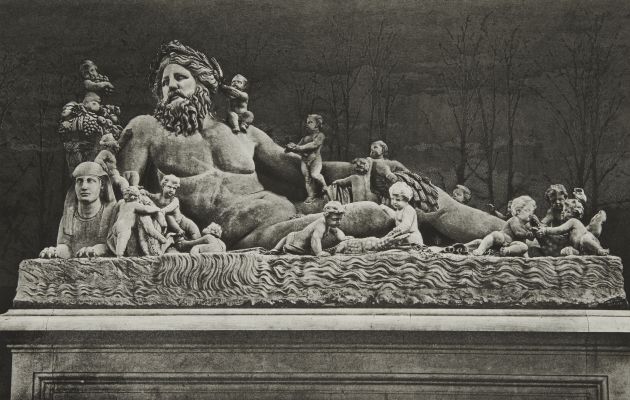
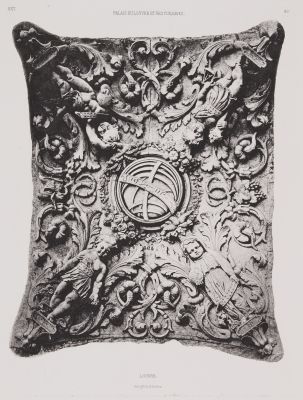
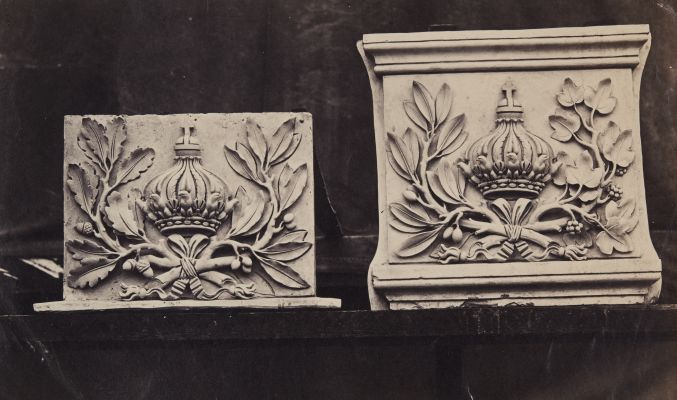
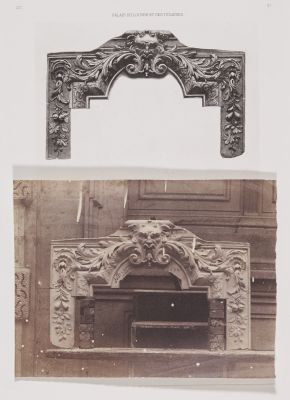
Original photograph used to make a heliogravure for Baldus’ Palais du Louvre et des Tuileries. This was Baldus’ first publication of his own photographic work in photogravure form.
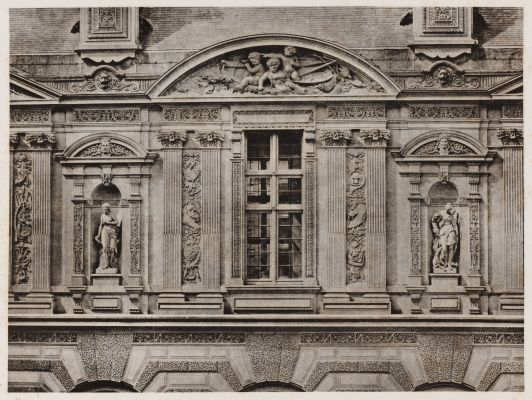
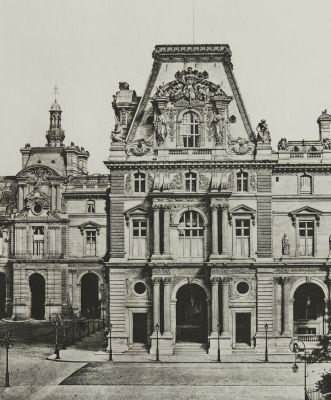
This print belongs to a major photographic campaign commissioned by the French government to document the extensive remodeling of the Louvre, a central project in the sweeping urban transformation of Paris under Napoléon III. While architecture had long been a favored subject of photography, this commission marked a turning point: photographs were integrated directly into the building process itself.
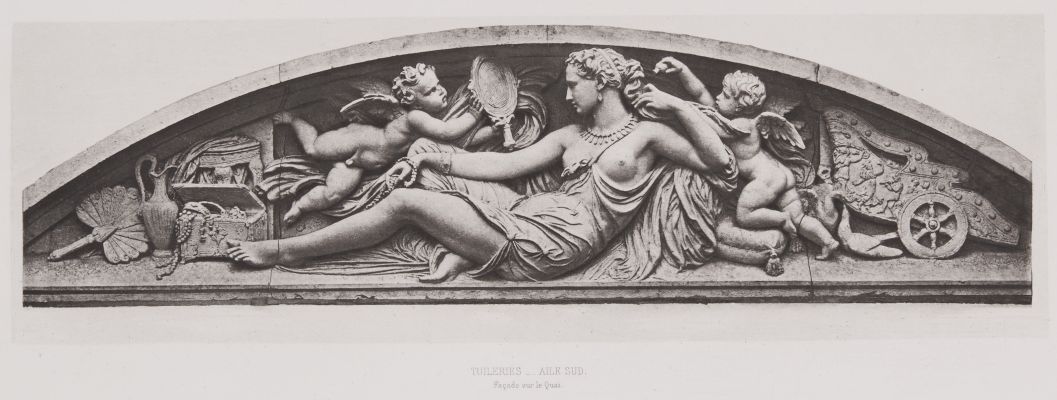
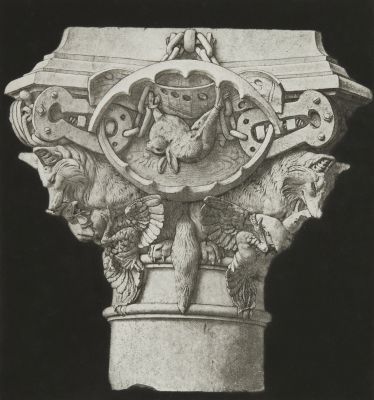
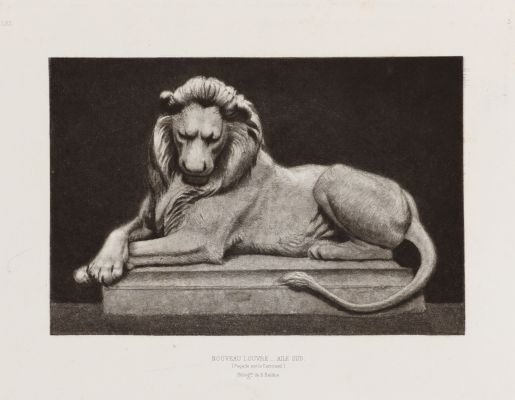
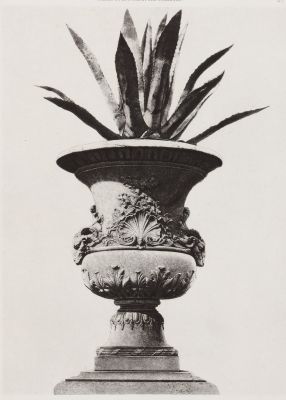
Working with a team of assistants, Baldus produced hundreds of images, many focusing on sculptural elements destined for the richly ornamented façades of the renovated complex. These photographs served multiple innovative purposes. They functioned as practical tools for architects, site managers, and sculptors; as source material for engravings published in the French press, sustaining public interest in the project; and as diplomatic propaganda circulated to foreign leaders, showcasing the ambition and artistic prowess of the Second Empire.
Baldus published the Louvre series as photogravures issued in installments beginning in 1869. It was his first publication containing his own photographs in photogravure. His process yielded richly inked, velvety textured prints with an extraordinary clarity and fineness of detail, which he often heightened with etched lines added by hand. The three volumes of Palais du Louvre et des Tuileries, each with 100 plates, parallel the photographic albums made earlier for the minister of state in presenting sculptural and ornamental details as well as few larger architectural views.
The present print is among those used on-site during construction. It originates from a group of folios assembled around 1860. The image exemplifies Baldus’s technical precision and his monumental approach to form, qualities that established him as one of the foremost architectural photographers of the nineteenth century.