Title
UntitledArtist
Emerson, Peter Henry (British, 1856-1936)Key FigureDate
1887 caProcess
Zincographie GalvaniqueAtelier
Alfred DawsonImage Size
14.5 x 11.6 cmSheet Size
24 x 16 cm
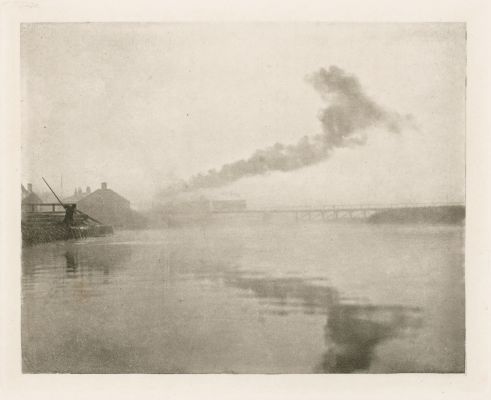
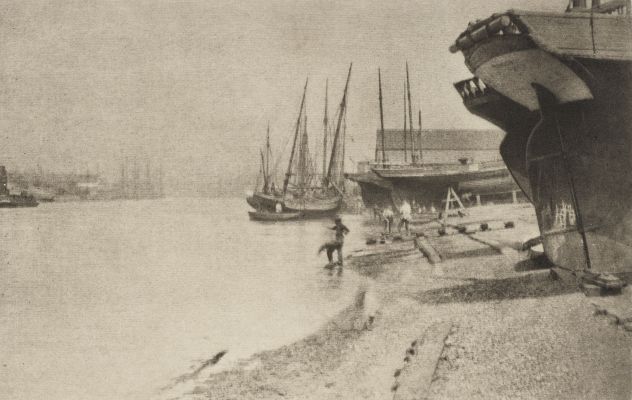
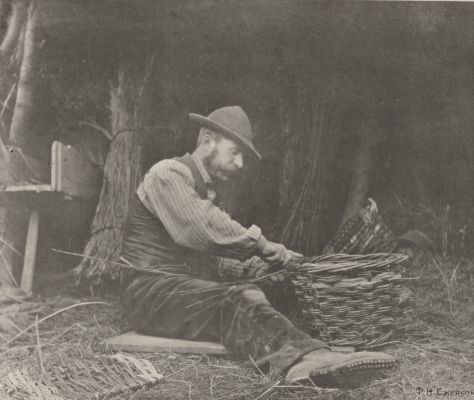
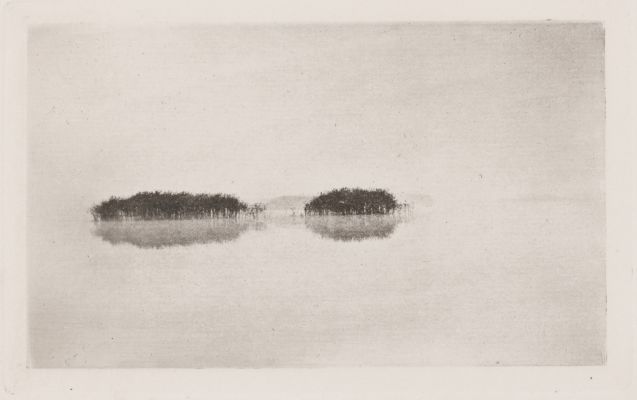
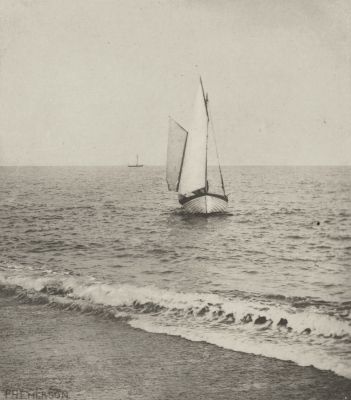
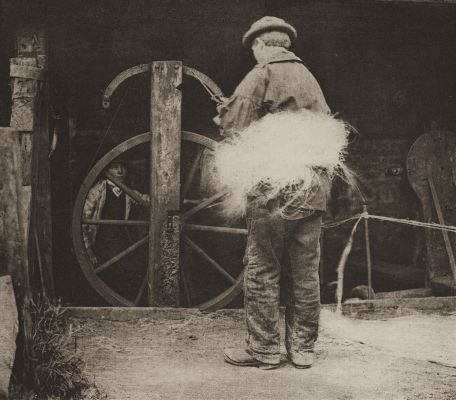
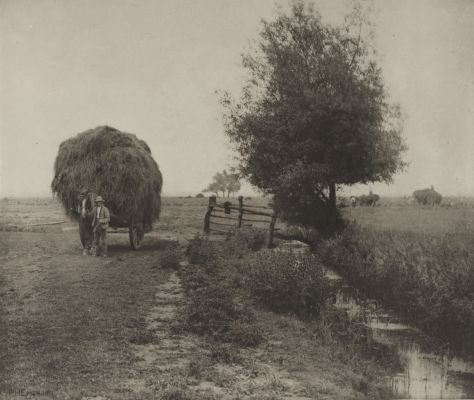
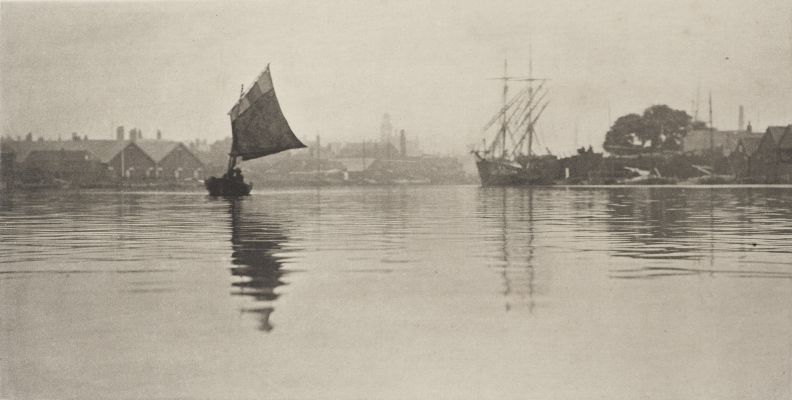
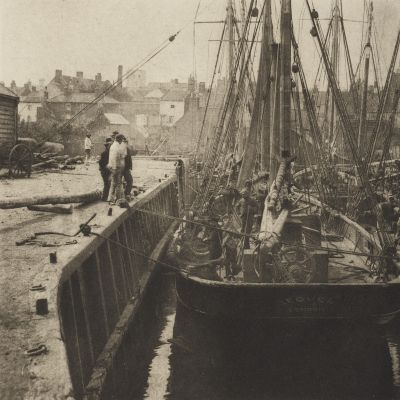
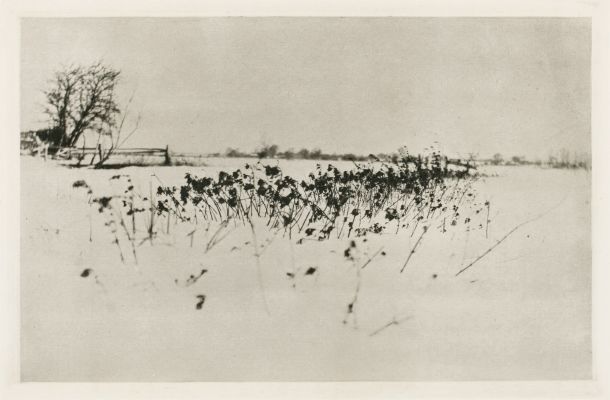
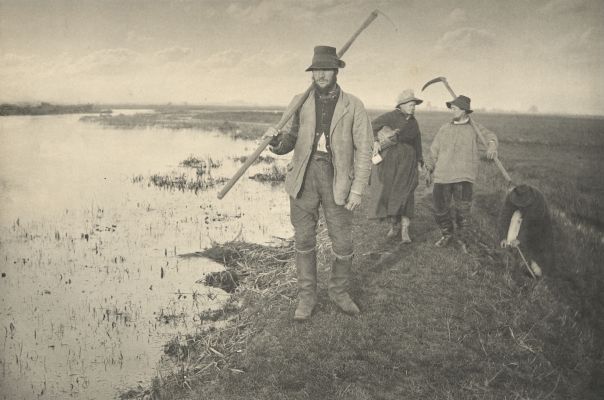
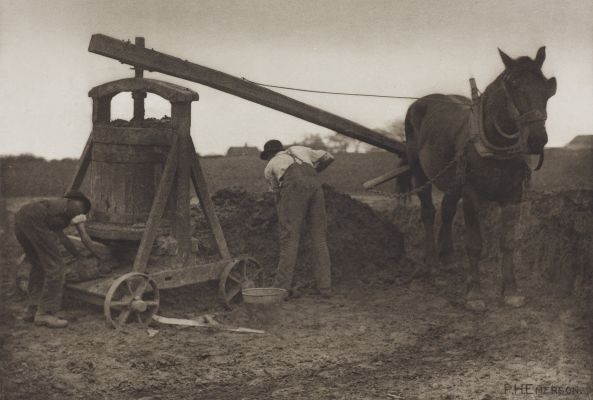
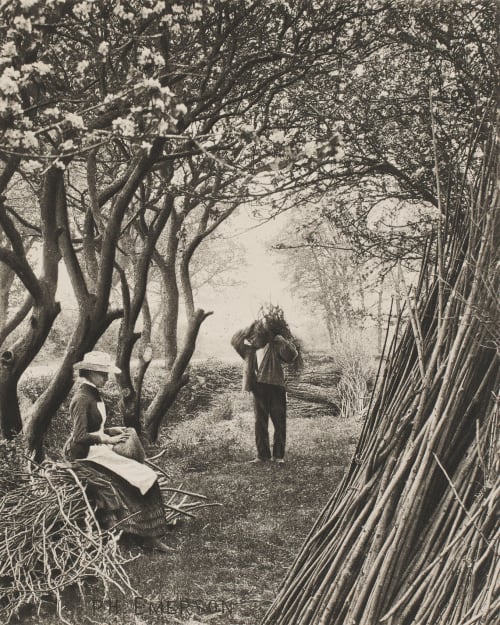
One of two unique proof prints of unpublished photographs by P.H. Emerson, likely produced in 1887 by Alfred Dawson at the Typographic Etching Co.
While Emerson famously demanded the destruction of plates and test proofs to ensure scarcity and quality, these specimens survived outside his control. Their provenance—linked to an associate of the optical firm James Swift & Son—suggests a professional exchange between the printer and the lens manufacturer. [1]
In 1887, Emerson’s commitment to "differential focus"—mimicking human vision rather than mechanical sharpness—challenged engravers. To satisfy Emerson’s requirements, Dawson likely consulted James Swift, a premier maker of photographic lenses. These proofs possibly served as "technical specimens" kept by Dawson to benchmark the efficacy of the Swift Rapid Paragon lens.
The prints highlight the friction between Emerson’s aesthetic theory and the engraver’s mechanical execution. This specific plate exhibits a structured, full contrast range that lacks the atmospheric "envelope" and softened edges Emerson demanded. While technically "correct," the print fails to convey the natural atmosphere essential to his philosophy; Emerson likely would have suppressed it for failing to meet his Naturalistic standards.
Ultimately, these survivors reinforce Emerson’s assertion that photogravure was the definitive medium for Naturalism, elevating photography to the status of fine art.
References
[1] "The collection came via Swifts an optical and microscope manufacturer in Great Britain during the 19th century." Peter Ryall
Auckland